Polylactic Acid (PLA)
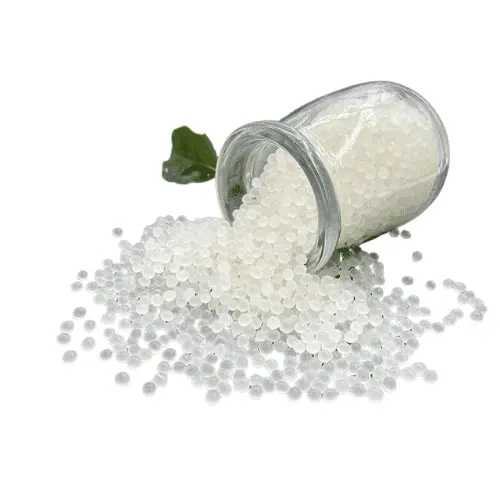
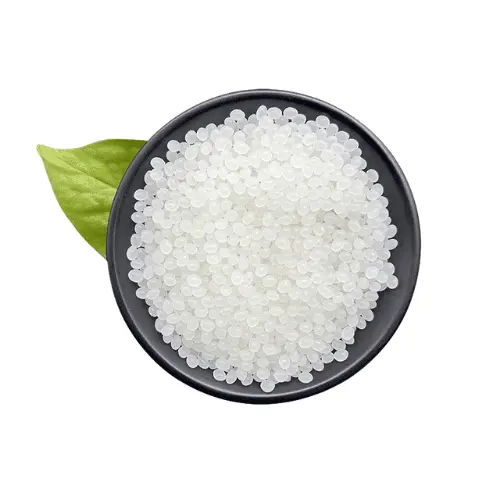
Polylactic Acid (PLA) is an eco-friendly thermoplastic aliphatic polyester synthesized from renewable agricultural biomass, such as cornstarch, cassava roots, or sugarcane. Produced through the bacterial fermentation of plant sugars into lactic acid followed by ring-opening polymerization of lactide, PLA stands as the benchmark sustainable alternative to traditional petroleum-derived polymers like ABS, Polypropylene (PP), and Polystyrene (PS). It combines high mechanical stiffness, optical clarity, and ease of thermal processing.
Across Bangladesh's expanding engineering universities, maker spaces, commercial prototyping studios, and eco-packaging initiatives, managing production costs while adhering to environmental safety is critical. Conventional plastics emit hazardous volatile organic compounds (VOCs) during processing and persist in municipal landfills for centuries. PLA resolves this challenge with non-toxic melting behavior, emitting a sweet, harmless odor during extrusion. Its low thermal expansion coefficient ensures superior bed adhesion and minimal warping, making it the most reliable thermoplastic for both entry-level and industrial 3D printing systems.
Beyond additive manufacturing, PLA exhibits exceptional biocompatibility and non-toxic bio-resorbability, making it vital for clinical suture manufacturing, drug-delivery matrices, and university tissue engineering research. It breaks down into natural water, carbon dioxide, and organic biomass under commercial composting conditions. Victor Scientific Co. supplies research-grade PLA pellets, granules, and precision-gauge 3D printing filaments with reliable grade purity across Bangladesh.
✹ Key Features
100% Bio-Based and Compostable
Derived entirely from renewable plant resources, reducing carbon footprint and degrading naturally in controlled composting environments.
Low Thermal Shrinkage and Warping
Exhibits minimal shrinkage upon cooling, enabling accurate dimensional stability, sharp corners, and smooth prints without requiring a heated enclosure.
High Tensile Strength & Rigidity
Offers superior surface hardness and tensile stiffness comparable to standard polystyrene, suitable for structural models and rigid containers.
Non-Toxic Processing & Low Odor
Melts without releasing dangerous fumes or toxic particulates, allowing safe operation in classrooms, home offices, and open laboratory environments.
Broad Thermal Processing Range
Features a convenient glass transition temperature (55°C–65°C) and melting point (150°C–180°C) compatible with standard extruders and FDM/FFF 3D printers.
Excellent Optical Transparency & Colorability
Readily accepts organic pigments and color masterbatches, delivering bright color reproduction or crystal-clear clarity for blister packaging.
✹ Applications
- Fused Deposition Modeling (FDM) 3D printing filaments for engineering prototypes and architectural models
- Academic research, chemical engineering polymer synthesis, and material testing practicals
- Eco-friendly packaging films, biodegradable disposable cutlery, cold-beverage cups, and food trays
- Biomedical applications including resorbable surgical sutures, bone fixation screws, and tissue scaffolds
- Agricultural mulch films, slow-release pesticide encapsulations, and nursery plant containers
- Textile fibers for breathable technical apparel, wipes, and disposable hygienic non-wovens
✹ Why Choose Polylactic Acid (PLA)?
- Eliminates reliance on depleting petrochemical hydrocarbons while providing commercial-grade thermoplastic utility.
- Easy to extrude, mold, and machine without specialized industrial safety scrubbers or ventilation.
- Smooth surface finish responds exceptionally well to post-processing, acrylic painting, and sanding.
- Cost-effective polymer available in diverse packaging sizes from trial spools to wholesale pellet sacks.
- Authentic quality control and tested diameter tolerance provided by Victor Scientific Co.
✹ Benefits
- Supports green sustainability compliance and institutional zero-plastic waste mandates.
- Lowers print failure rates and nozzle clogging during long additive manufacturing cycles.
- Enhances student and researcher safety during indoor laboratory demonstrations.
- Accelerates rapid prototyping cycles with fast layer cooling and precise bridging performance.
✹ About Victor Scientific Co.
Victor Scientific Co. provides quality laboratory equipment, measuring instruments and scientific tools in Bangladesh. We supply reliable products for educational institutions, industries, laboratories and professional users.
 Health And Safety
 Laboratory Equipment
 Educational Equipment
 Lab Chemicals & Reagents
 Meters & Testers
 Weight Scale & Balance
 Garments & Textile Testing
 Electrical & Electronics
 Civil & Construction
 Industrial Safety Equipment