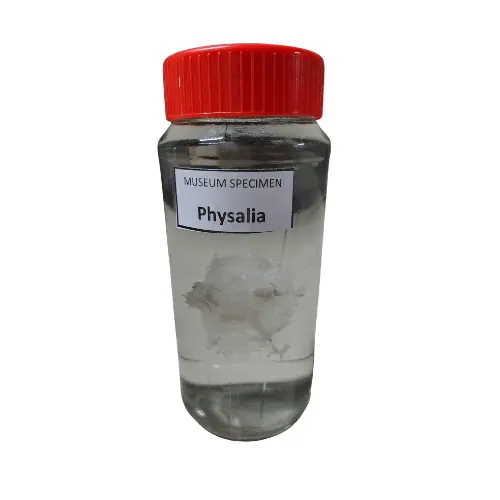
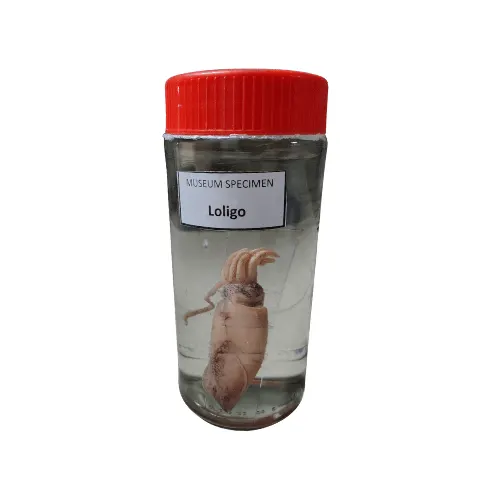
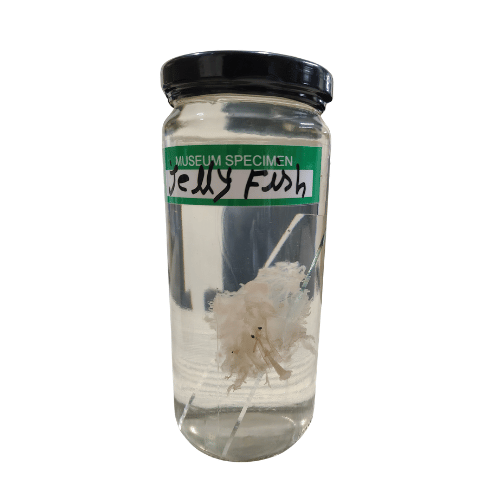
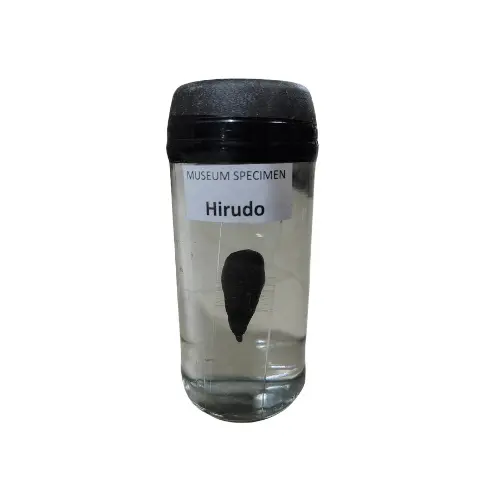
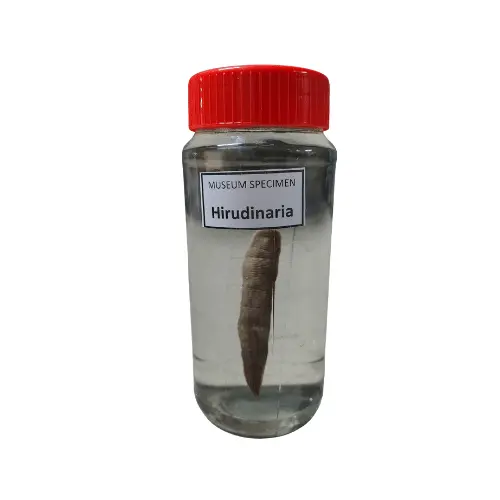
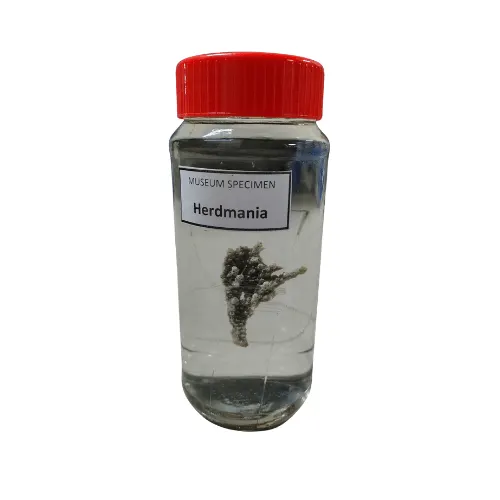
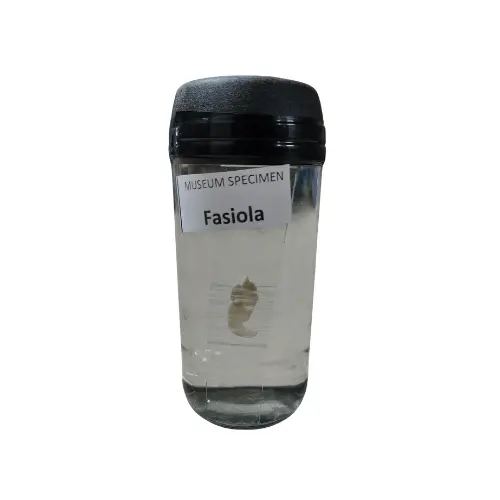
Octopus Museum Specimen (Preserved Marine Zoological Specimen)
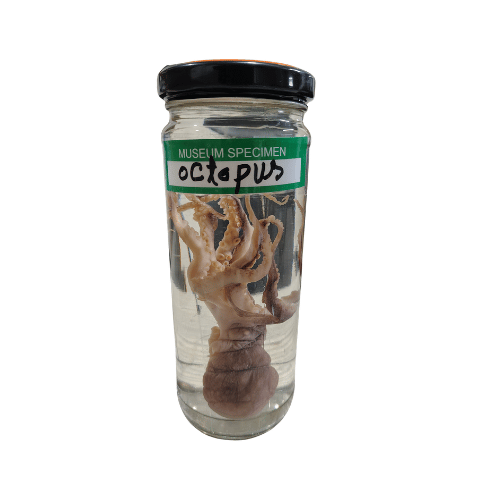
The Octopus Museum Specimen is an authentic zoological display showcasing a representative species of the class Cephalopoda (Phylum Mollusca). Curated and preserved under strict marine laboratory standards, this wet specimen offers students, marine biology undergraduates, and researchers a clear, permanent physical reference for invertebrate diversity, bilateral symmetry, and specialized predatory adaptations. It serves as an essential teaching benchmark across university zoology departments, marine science institutes, and higher secondary biology practical laboratories throughout Bangladesh.
Studying cephalopod morphology, siphon mechanisms, mantle cavity structures, and tentacle sucker arrangements can be difficult when relying solely on 2D textbook illustrations or digital photographs. This museum jar specimen resolves that barrier by presenting a real, intact octopus suspended in a crystal-clear, leak-proof borosilicate glass container. The specimen clearly demonstrates the soft, sac-like muscular mantle, prominent head with complex camera-type eyes, and eight flexible arms densely lined with suckers for gripping prey. The archival-grade preservative fluid maintains structural tissue suppleness and prevents decomposition over decades of continuous institutional display.
Engineered for durability and safety, the display jar features a secure, leak-proof closure system that locks in the fluid. Each unit includes clear taxonomic labeling (Phylum: Mollusca, Class: Cephalopoda) for instant identification during practical examinations. Victor Scientific Co. supplies high-grade biological specimens and museum display gear nationwide with secure packaging and reliable delivery across all 64 districts of Bangladesh.
✹ Key Features
Authentic Marine Cephalopod Specimen
Sourced and prepared as a genuine octopus sample representing advanced invertebrate marine life for accurate morphological study.
Professional Archival Wet Preservation
Treated with specialized fixatives and suspended in clear preservative fluid to prevent tissue decay and maintain anatomical structure.
Clear Borosilicate Display Jar
Housed in a thick-walled glass container that provides optical distortion-free viewing from all 360 degrees.
Detailed Mantle & Tentacle Morphology
Showcases the muscular mantle, siphon, prominent eyes, and eight sucker-lined arms typical of active marine predators.
Leak-Proof Seal Technology
Fitted with a secure closure cap that prevents fluid evaporation and vapor leakage during routine handling and storage.
Ready-for-Display Format
Supplied pre-mounted and labeled, making it instantly suitable for laboratory cabinets and museum shelves without extra preparation.
✹ Applications
- University undergraduate and postgraduate departments of Zoology and Marine Biology
- Comparative invertebrate anatomy practical laboratories studying Phylum Mollusca
- Higher Secondary (HSC) and college biology laboratories demonstrating diverse marine animal phyla
- Natural history museums, biodiversity education centers, and marine science exhibition galleries
- Laboratory spot practical examinations and student viva-voce assessments
✹ Why Choose Octopus Museum Specimen?
- Provides a direct, tangible look at a complex marine mollusk far superior to plastic models or flat diagrams.
- Professionally prepared by experts to ensure maximum clarity, structural preservation, and safety in handling.
- Meets rigorous standards for academic museum curation and comparative taxonomy studies.
- Backed by reliable local distribution and institutional support through Victor Scientific Co.
✹ Benefits
- Accelerates student comprehension of mollusk evolution, jet-propulsion siphon anatomy, and predatory specialization.
- Eliminates the logistical difficulty and high costs of sourcing perishable marine specimens for class work.
- Delivers a permanent, reusable museum asset that serves countless academic cohorts across years.
- Enhances visual impact and scientific credibility in teaching laboratories and display rooms.
✹ About Victor Scientific Co.
Victor Scientific Co. provides quality laboratory equipment, measuring instruments and scientific tools in Bangladesh. We supply reliable products for educational institutions, industries, laboratories and professional users.
 Health And Safety
 Laboratory Equipment
 Educational Equipment
 Lab Chemicals & Reagents
 Meters & Testers
 Weight Scale & Balance
 Garments & Textile Testing
 Electrical & Electronics
 Civil & Construction
 Industrial Safety Equipment